
Nurses - LEvel 1
Classic FUE Training for Nurses
Five days to master the interval that decides the outcome of a hair transplant: between the moment a graft leaves the donor area and the moment it is placed.
intensive training
maximum participants
grafts classified
all inclusive
Who is this training for?
For state-registered nurses looking to move into hair restoration.
- No prior experience is required.
- The nurse in a FUE operating room does not perform a simplified version of the surgeon’s work: they do different work, on which the survival of the grafts directly depends.
- The course covers operating-room assistance, graft handling and classification, the ischaemia protocol, quality control and post-operative care, alongside the Racine Carrée surgical team.
What's included!
Full training programme
Sessions with real patients
Consumables and materials
Signed logbook
Daily lunches
Certificate
3 post-training follow-up sessions
CLASSIC FUE TRAINING FOR NURSES
The programme,
day by day
The team, the field, the patient
| Time | Session | Type | Content |
|---|---|---|---|
| 08:30 | Welcome and cohort mapping | — | Backgrounds, expectations, methodology. Logbook issued |
| 09:00 | The FUE team | Theory | Roles: medical director, lead technician, extraction technicians, coordinator. Who decides what, who reports what to whom, and the decisions only the surgeon takes |
| 10:30 | Break | Break | |
| 11:00 | Sterile field and instrument preparation | Hands-on | Full FUE set. Layout, sequencing, contamination points specific to a long session. Each participant sets up and is checked |
| 12:30 | Lunch | Lunch | |
| 13:30 | Patient management through a long procedure | Hands-on | Positioning, pressure points, hydration and breaks. Recognising vasovagal and anxiety signs. Communicating with an awake patient for six hours |
| 15:30 | Complete procedure observation | Live | From extraction to implantation. Participants shadow the nurse team, not the surgeon, and record the graft timeline independently |
Graft handling laboratory
| Time | Session | Type | Content |
|---|---|---|---|
| 08:30 | Classification under microscope | Hands-on — scored | 1, 2, 3 and 4-FU. Each participant classifies a standardised sample; accuracy measured against instructor re-count |
| 10:30 | Break | Break | |
| 11:00 | Transected graft identification | Hands-on — scored | Morphological signs. Each participant works a sample seeded with a known number of transected units; detection sensitivity measured individually |
| 12:30 | Lunch | Lunch | |
| 13:30 | The ischaemia protocol | Theory + hands-on | Storage medium and temperature. Out-of-body time as an operational clock, not a guideline. Team ergonomics that shorten it. Running the log on a simulated full case |
| 16:00 | Graft transfer and handover | Hands-on — scored | Forceps grip at perifollicular tissue, never the bulb. Transfer without traction or crush. Loading a Choi implanter without bulb injury. 100 scored repetitions per participant |
Live assistance and quality control
| Time | Session | Type | Content |
|---|---|---|---|
| 07:30 | Surgical briefing | Live | Case plan, role allocation, count and time targets agreed with the surgeon before incision |
| 08:15 | Assisting extraction | Live | One participant per operating room. Donor field management, tension and traction, cleaning, continuous transfer. Counting and handover discipline |
| 13:00 | Lunch / surgical pause | Lunch | |
| 14:00 | Real-time classification and quality control | Hands-on | Each participant classifies the harvest of the case they assisted, records the ischaemia log and reconciles counts with the operative record |
| 16:30 | Case debrief | Case study | Counts, timings, discrepancies. What was reported to the surgeon, when, and whether it was actionable |
Assisting implantation
| Time | Session | Type | Content |
|---|---|---|---|
| 08:30 | Graft selection by zone | Hands-on | Assigning 1, 2, 3 and 4-FU to hairline, transition zone, mid-scalp and crown, and why the assignment is not interchangeable |
| 10:30 | Break | Break | |
| 11:00 | Assisting implantation | Live | Loading, presentation, handover and count reconciliation |
| 13:00 | Lunch | Lunch | |
| 14:00 | Second scored classification round | Hands-on — scored | Repeat measurement of accuracy and detection sensitivity, against the Day 2 baseline |
| 16:30 | Special cases | Case study | Curly and afro-textured grafts, grey hair, body hair, very small and very large units. What changes in handling for each |
Assessed case and documentation
| Time | Session | Type | Content |
|---|---|---|---|
| 07:30 | Assessed live case | Live | Full assistance of one case from setup to dressing. Scored against the rubric |
| 12:30 | Lunch | Lunch | |
| 13:30 | Post-operative care | Hands-on | Dressing technique. First 72 hours, sleeping position, oedema. The first wash, demonstrated and practised. What the patient must be told, and how to check they understood |
| 14:30 | Complications the team sees first | Case study | Infection, folliculitis, excessive oedema, shock loss. What the nurse recognises, what must be escalated immediately, and what waits for the scheduled review |
| 15:30 | Documentation and photography | Hands-on | Operative record. Standardised photography: five positions, equipment, background, archiving. Follow-up at day 7, month 1, 3, 12 |
| 16:30 | Individual feedback and certification | — | Rubric scores returned individually. Logbook validated and signed. Certificate issued |
Learning objectives
Prepare the operating field
Set up and maintain the sterile field and FUE set over a session of six hours or more.
Manage the patient
Position, monitor comfort and recognise vasovagal signs during a long procedure.
Classify under microscope
Classify follicular units into 1, 2, 3 and 4-FU with measured accuracy.
Detect transected grafts
Identify transected units by morphology and apply the exclusion protocol.
Master the ischaemia clock
Manage medium, temperature and out-of-body time, and document them in the record.
Assist extraction
Manage the donor field, tension, counting and continuous graft transfer.
Report a deviation
Report a discrepancy to the surgeon in a form that allows a decision.
Handle and transfer
Grip at perifollicular tissue, transfer without traction or bulb crush.
Care and documentation
Dressing, patient instructions and the standardised photography protocol.
Languages
The training is delivered in French, English or Spanish, depending on the cohort.
Group size
Maximum 15 doctors, split across 8 operating rooms at 2 per room. Every participant operates on each hands-on day.
Travel and accommodation
Not included in the fee. A list of partner hotels is provided upon registration.
Practice guarantee
If you do not reach the guaranteed graft minimum (500 extractions and 80 implantations), you are entitled to an additional supervised session, free of charge, at a later cohort.
Certificate
Your certificate is handed to you in person on the final day, with your real graft counts printed on it.
Practical information
Everything you need to know before registering for the Classic FUE training for nurses (Level 1) offered by R2 Academy.
Location
- 16 rue Anatole France, 92300 Levallois-Perret, France.
- Louise Michel station (line 3) is right nearby.
Tarifs
- 5 days
- 2900€
Our FUE hair transplant training courses
Nurses Level 1
Classic FUE Training for Nurses
5 days
2 900€
Nurses Level 2
Advanced FUE Training for Nurses
10 days
5 800€
Physicians Level 1
Classic FUE Training for Physicians
5 days
7 500€
Physicians Level 2
Advanced FUE Training for Physicians
10 days
15 000€
Nurses Level 1
Classic FUE Training for Nurses
5 days
2 900€
Nurses Level 2
Advanced FUE Training for Nurses
10 days
5 800€
Physicians Level 1
Classic FUE Training for Physicians
5 days
7 500€
Physicians Level 2
Advanced FUE Training for Physicians
10 days
15 000€
Meet our instructors
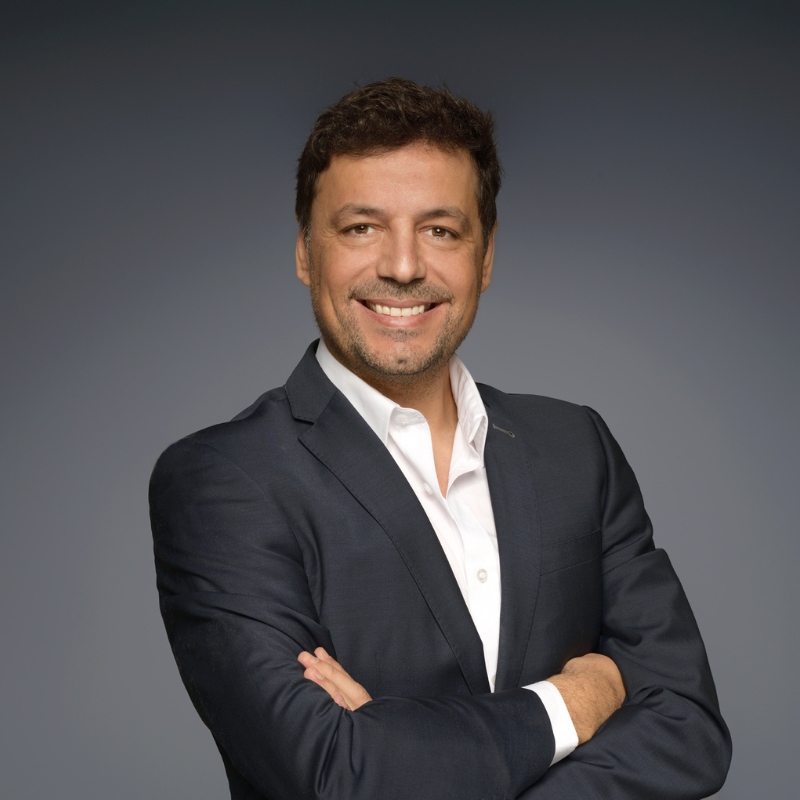
Dr. Artur Diaz Carandell
- Head Surgeon
- Certified Maxillofacial Surgeon
- Head of Training
- FUE Hair Transplant Expert
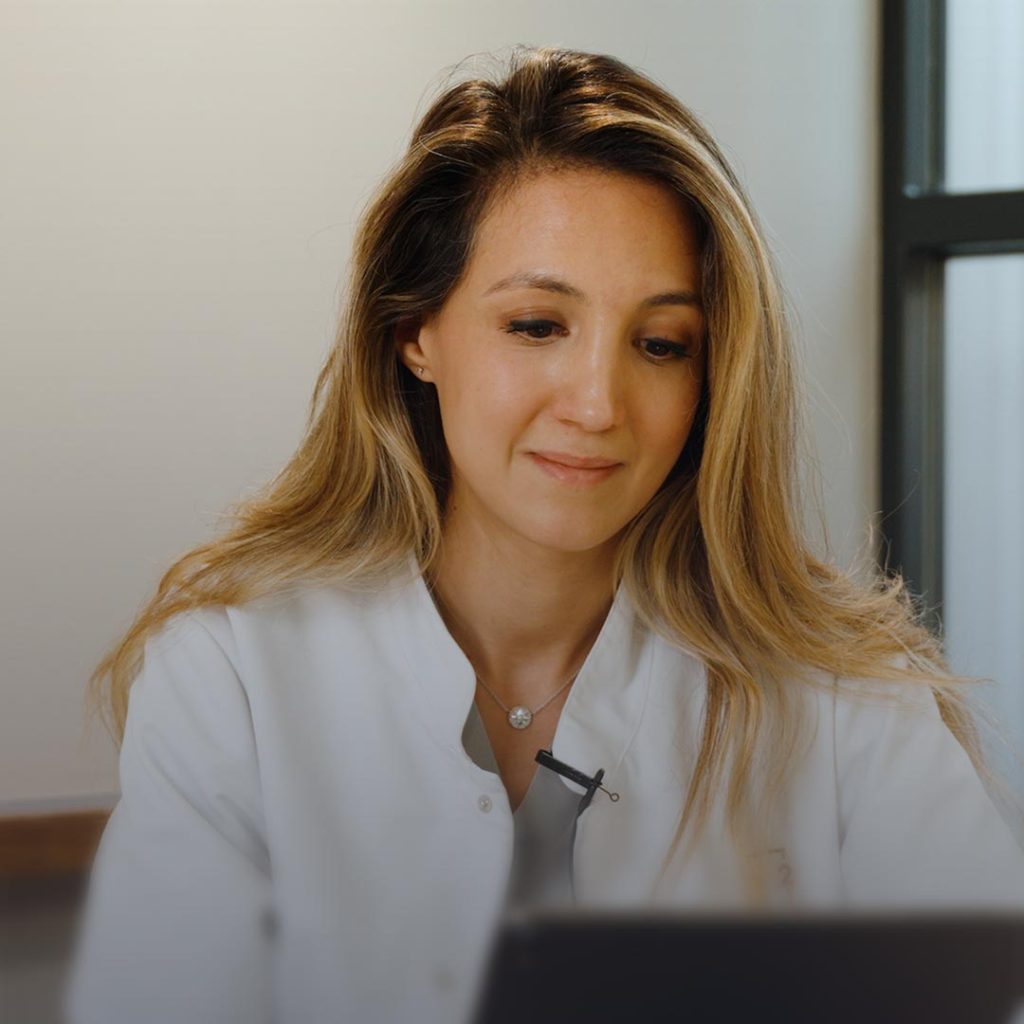
Dr. Natacha Alavi
- Senior FUE Aesthetic Physician
- Certified Technical Trainer
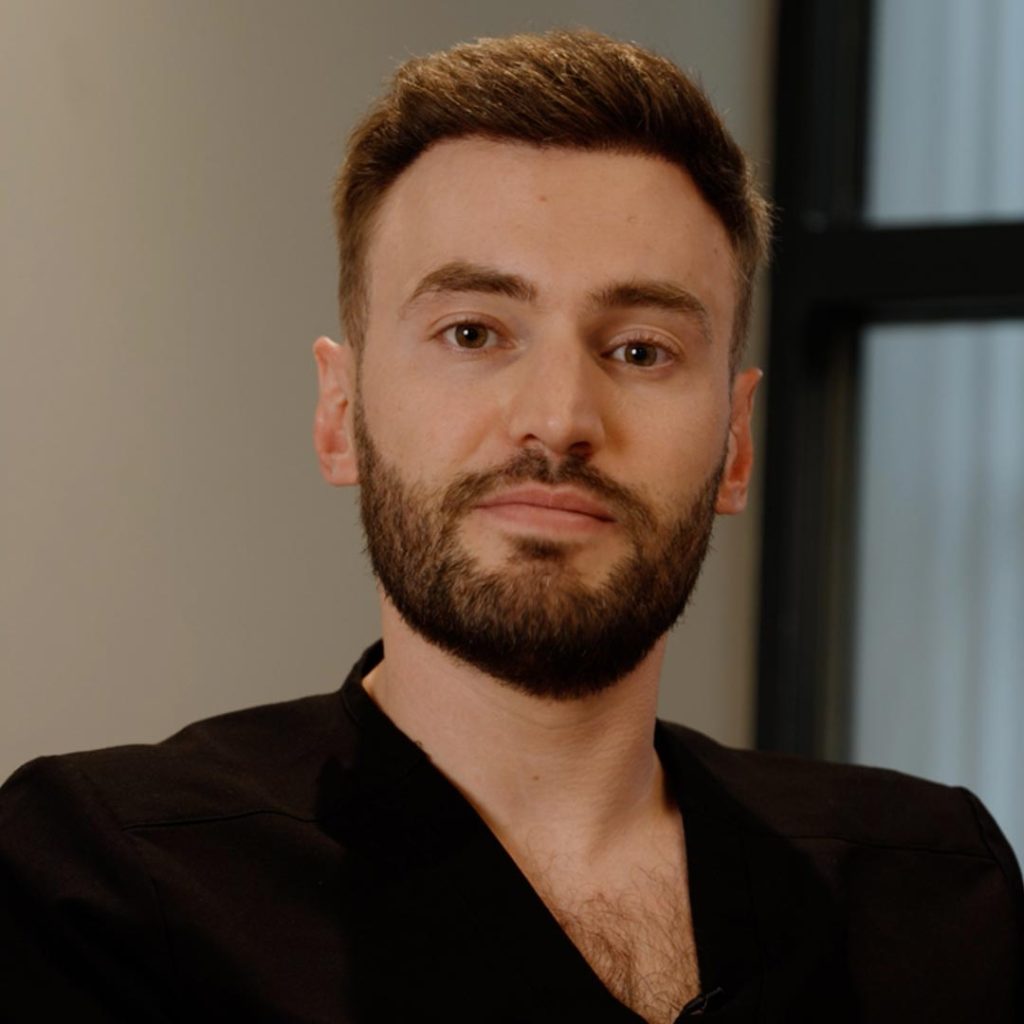
Dr. Maxime Nivard
- Senior FUE Aesthetic Physician
- Certified Technical Trainer
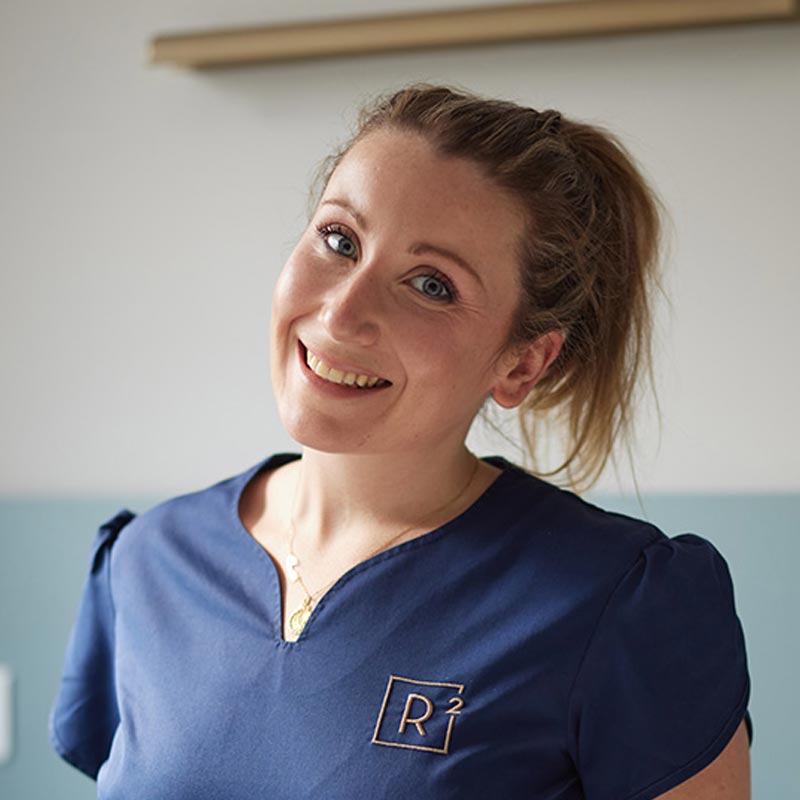
Camille B.
- State Registered Nurse
- Certified Trainer
- Team Leader
Dr. Artur Diaz Carandell
- Head Surgeon
- Certified Maxillofacial Surgeon
- Head of Training
- FUE Hair Transplant Expert
Dr. Natacha Alavi
- Senior FUE Aesthetic Physician
- Certified Technical Trainer
Dr. Maxime Nivard
- Senior FUE Aesthetic Physician
- Certified Technical Trainer
Camille B.
- State Registered Nurse
- Certified Trainer
- Team Leader
The turning point your career has been waiting for
Questions and registration
We’ll get back to you quickly!
Horaires
Monday – Friday
8:00 AM – 7:00 PM
Saturday
9:00 AM – 5:00 PM
Sunday
Closed
Address
16 Rue Anatole France
92300 Levallois-Perret
France
Métro
Ligne 3 – Louise Michel