
Nurses - Level 2
Advanced FUE Training for Nurses
Ten days to move from assistant to lead technician: high-volume work, placement technique and team leadership. The first week is the Classic training, included.
modules 1 and 2
max. participants
cases assisted
all inclusive
Who is this training for?
For nurses who have completed Module 1 and wish to take responsibility for the technical team.
-
- This second level of training focuses on high-volume procedures and the management of more complex hair transplant cases.
- Staff organization according to roles and needs, team leadership, and the ability to train new technicians are also key components of this training.
- Completing Level 2 several months after Level 1, with practical experience in the hair transplant field in between, is not a problem. On the contrary, the experience gained can bring an additional dimension to the next stage of the training.
What's included!
Full training programme
Sessions with real patients
Consumables and materials
Signed logbook
Daily lunches
Certificate
3 post-training follow-up sessions
ADvanced FUE TRAINING FOR NURSES
The programme,
day by day
The first 5 days correspond to Level 1 training, which is included in the Level 2 training.
The team, the field, the patient
| Time | Session | Type | Content |
|---|---|---|---|
| 08:30 | Mega-session logistics | Theory | Pace, team rotation, the ischaemia clock under time pressure. Where quality fails first as volume rises, and how to see it coming |
| 10:30 | Break | Break | |
| 11:00 | Managing ischaemia under pressure | Hands-on | Holding medium, temperature and out-of-body time as graft throughput increases. Team ergonomics that shorten the interval |
| 12:30 | Lunch | Lunch | |
| 13:30 | Role allocation and rotation | Theory + case | Who does what and when across a long session. Anticipating tipping points and team fatigue |
| 15:30 | Reading session records | Case study | Participants read the logs of a real mega-session: transection drift, out-of-body time, the last hour |
Graft handling laboratory
| Time | Session | Type | Content |
|---|---|---|---|
| 08:30 | Angle, depth and seating on model | Hands-on — scored | Intensive model work. Insertion angle in three planes, depth, graft seating. Scored session |
| 10:30 | Break | Break | |
| 11:00 | Popping prevention | Hands-on — scored | Cause, recognition and correction of popping on model. Density and direction by zone, working into existing hair |
| 12:30 | Lunch | Lunch | |
| 13:30 | Choi loading at speed | Hands-on — scored | Loading orientation and depth, release mechanics. Timed repetitions on model |
| 15:30 | Placement quality control on model | Hands-on | Self-assessment of seating and depth cues. Comparison against zone reference values |
Live assistance and quality control
| Time | Session | Type | Content |
|---|---|---|---|
| 08:30 | Difficult grafts: overview | Theory | Curly and afro-textured, grey, body hair, very small units. What changes in handling for each |
| 10:00 | Break | Break | |
| 10:30 | Handling on a difficult case | Live | Case selected for difficulty. Graft handling and assistance under direct supervision |
| 13:00 | Lunch / surgical pause | Lunch | |
| 14:00 | Grafts destined for scarred tissue | Theory + case | Fragility, reduced density, transfer precautions. What the team must adapt |
| 15:30 | Classification of special cases | Hands-on — scored | Accuracy measurement on a sample of atypical grafts, against the earlier-module baseline |
Assisting implantation
| Time | Session | Type | Content |
|---|---|---|---|
| 08:30 | Allocating roles and setting targets | Theory | Split the technician team, set count and time targets, define quality checkpoints |
| 10:30 | Break | Break | |
| 11:00 | Escalation and managing discrepancies | Case study | When and how to escalate to the surgeon. Telling an actionable discrepancy from routine variation |
| 12:30 | Lunch | Lunch | |
| 13:30 | Training and assessing a technician | Hands-on | Train a new recruit against a defined standard and assess them. Competence grid and structured feedback |
| 15:30 | Quality control and incident reporting | Theory + case | Running the clinic quality system. Documenting and reporting an incident |
Assessed case and documentation
| Time | Session | Type | Content |
|---|---|---|---|
| 07:30 | Final briefing | Live | Case plan and roles agreed with the team before the start |
| 08:00 | Assessed case leading the team | Live | Full case with the participant leading the technician team. Scored on seven domains, including performance under volume and leadership |
| 13:00 | Lunch / surgical pause | Lunch | |
| 14:00 | Assessed case, continued | Live | End of case and count reconciliation. Scored together with the morning |
| 15:30 | Individual feedback | — | Rubric scores returned individually. Logbook validated and signed |
| 16:30 | Certification and closing | — | Lead Technician certificate issued. Individual development plan |
Learning objectives
Hold quality under volume
Sustain graft handling through a mega-session, under time pressure.
Handle difficult grafts
Curly, afro-textured, grey, body hair, very small and scarred-tissue grafts.
Master placement on model
Angle, depth, seating and popping prevention in intensive practice.
Lead the technical team
Allocate roles, set count and time targets, escalate.
Train a new technician
Train and assess a recruit against a defined standard.
Run the quality system
Clinic quality control and incident reporting.
Languages
The training is delivered in French, English or Spanish, depending on the cohort.
Group size
Maximum 15 doctors, split across 8 operating rooms at 2 per room. Every participant operates on each hands-on day.
Travel and accommodation
Not included in the fee. A list of partner hotels is provided upon registration.
Practice guarantee
If you do not reach the guaranteed graft minimum (500 extractions and 80 implantations), you are entitled to an additional supervised session, free of charge, at a later cohort.
Certificate
Your certificate is handed to you in person on the final day, with your real graft counts printed on it.
Practical information
Everything you need to know before registering for the Classic FUE training for nurses (Level 1) offered by R2 Academy.
Location
- 16 rue Anatole France, 92300 Levallois-Perret, France.
- Louise Michel station (line 3) is right nearby.
Tarifs
- 10 days
- 5800€
Our FUE hair transplant training courses
Nurses Level 1
Classic FUE Training for Nurses
5 days
2 900€
Nurses Level 2
Advanced FUE Training for Nurses
10 days
5 800€
Physicians Level 1
Classic FUE Training for Physicians
5 days
7 500€
Physicians Level 2
Advanced FUE Training for Physicians
10 days
15 000€
Nurses Level 1
Classic FUE Training for Nurses
5 days
2 900€
Nurses Level 2
Advanced FUE Training for Nurses
10 days
5 800€
Physicians Level 1
Classic FUE Training for Physicians
5 days
7 500€
Physicians Level 2
Advanced FUE Training for Physicians
10 days
15 000€
Meet our instructors
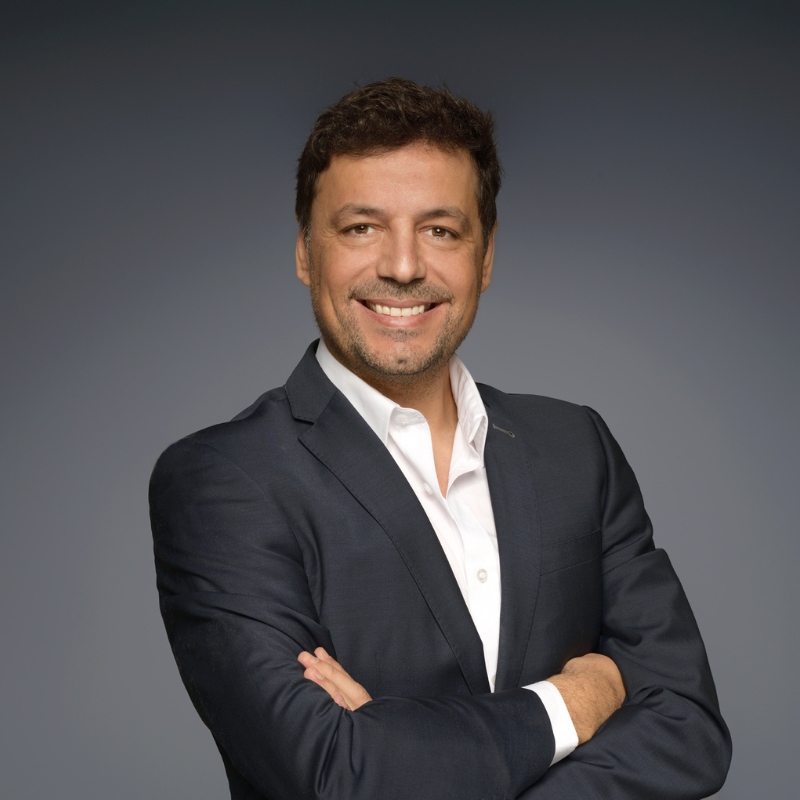
Dr. Artur Diaz Carandell
- Head Surgeon
- Certified Maxillofacial Surgeon
- Head of Training
- FUE Hair Transplant Expert
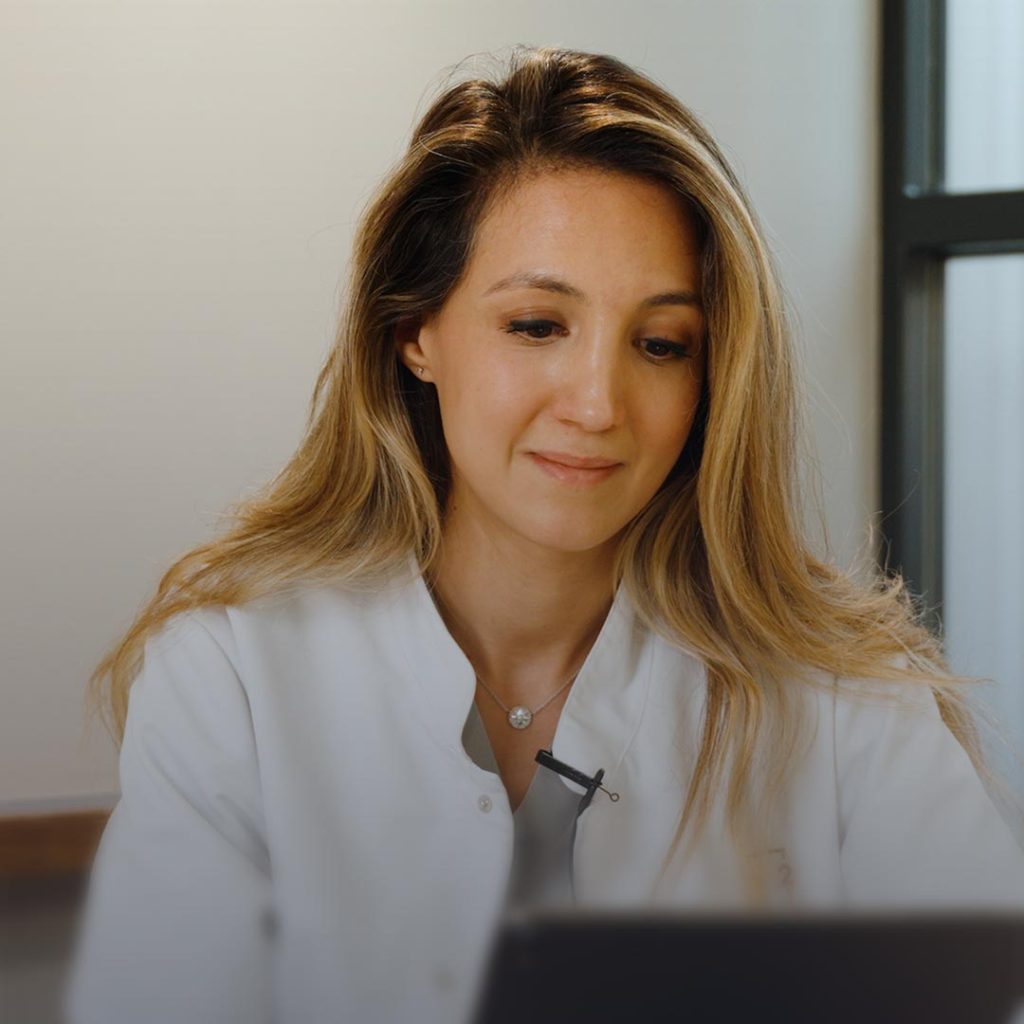
Dr. Natacha Alavi
- Senior FUE Aesthetic Physician
- Certified Technical Trainer
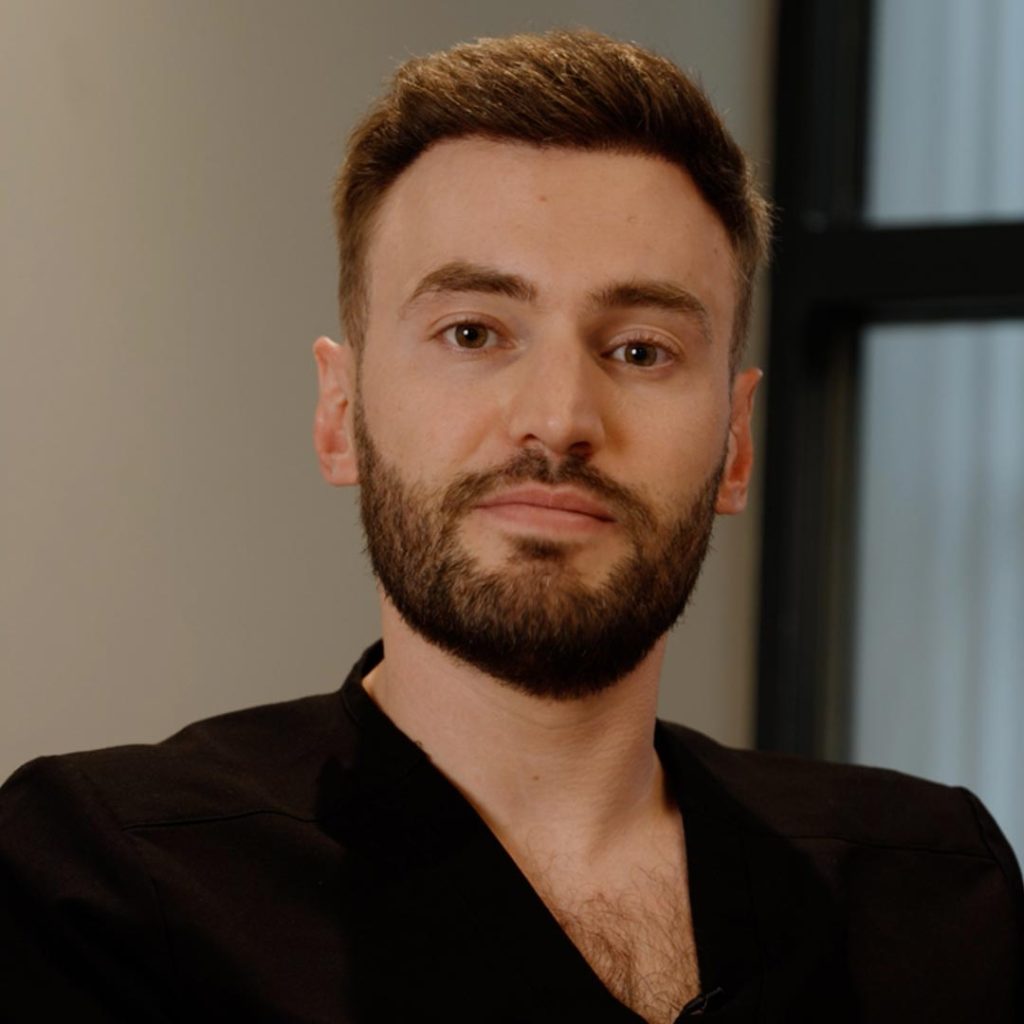
Dr. Maxime Nivard
- Senior FUE Aesthetic Physician
- Certified Technical Trainer
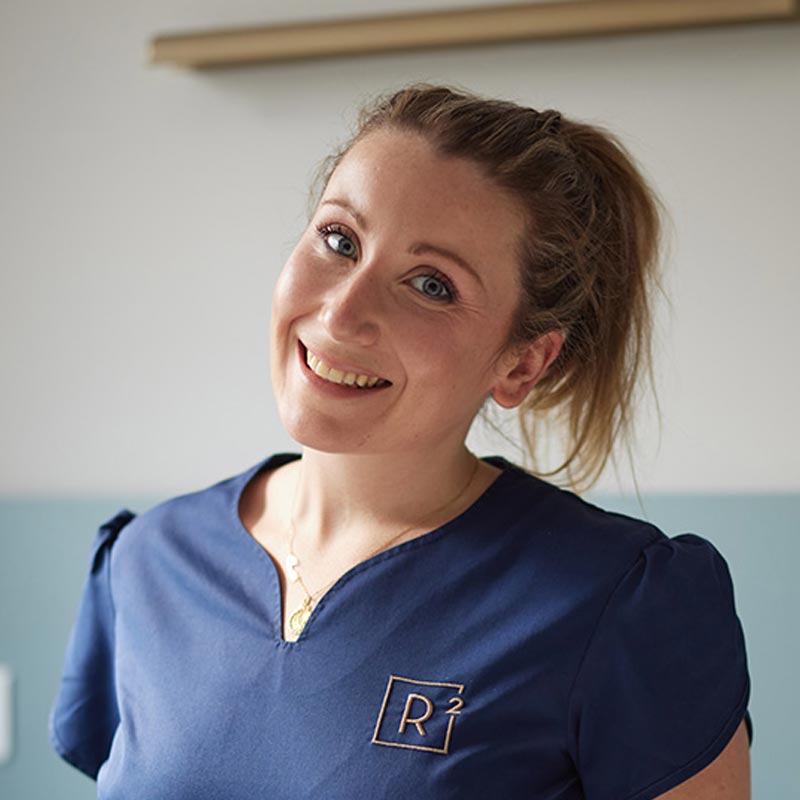
Camille B.
- State Registered Nurse
- Certified Trainer
- Team Leader
Dr. Artur Diaz Carandell
- Head Surgeon
- Certified Maxillofacial Surgeon
- Head of Training
- FUE Hair Transplant Expert
Dr. Natacha Alavi
- Senior FUE Aesthetic Physician
- Certified Technical Trainer
Dr. Maxime Nivard
- Senior FUE Aesthetic Physician
- Certified Technical Trainer
Camille B.
- State Registered Nurse
- Certified Trainer
- Team Leader
The turning point your career has been waiting for
Questions and registration
We’ll get back to you quickly!
Horaires
Monday – Friday
8:00 AM – 7:00 PM
Saturday
9:00 AM – 5:00 PM
Sunday
Closed
Address
16 Rue Anatole France
92300 Levallois-Perret
France
Métro
Ligne 3 – Louise Michel