Physicians - Level 2
Advanced FUE Training for Physicians
Ten days for the difficult scalp, revision cases and high-volume sessions. The first week is the Classic FUE Training, included.
80 hours of training
max. participants
partial procedures
week 1 included
Who is this training for?
For doctors registered with the medical board who want to go beyond the basic technique. This is not an introductory course.
- Week 1 is the Classic FUE Training, taken with the same cohort.
- Week 2 works on what a single week has no room for: the difficult scalp and revision, restoration beyond the scalp, high-volume sessions, and building a medico-legal file that survives a claim.
- The two weeks can be taken consecutively or separated by two to four months.
What's included!
Full training programme
Sessions with real patients
Consumables and materials
Signed logbook
Daily lunches
Certificate
3 post-training follow-up sessions
ADVaNCED FUE TRAINING FOR DOCTORS
The programme,
day by day
The first 5 days correspond to Level 1 training, which is included in the Level 2 training.
Diagnosis and case design
| Time | Session | Type | Content |
|---|---|---|---|
| 08:30 | Reading a poor result | Case study | What was done, why it looks the way it does, and what can and cannot be undone. Pluggy grafts, unnatural hairlines, wrong direction, exhausted donor |
| 10:00 | Break | Break | |
| 10:30 | Repair strategy | Hands-on | Excision and redistribution of misplaced grafts. Camouflage. Sequencing a repair across successive sessions |
| 12:30 | Lunch | Lunch | |
| 13:30 | FUE into scarred and fibrotic tissue | Theory + case | Modified punch technique, reduced density targets, vascular caution. Strip scars, burns, traction alopecia, surgical scars. What to promise and what not to |
| 15:00 | The depleted donor | Theory | Extended safe donor area and its risks. Beard and body hair as supplement. The lifetime graft budget and the decision to refuse further harvesting |
| 16:30 | Break | Break | |
| 17:00 | Case defence | Case study | Each participant presents and defends a plan for one difficult case — their own where submitted, otherwise assigned from the clinic archive. Faculty and peer critique |
Anaesthesia and scored simulation
| Time | Session | Type | Content |
|---|---|---|---|
| 07:30 | Surgical briefing | Live | Case selected for a non-scalp indication or a body-hair donor |
| 08:00 | Supervised participation | Live | Participants rotate through the field. Extraction and placement under direct supervision |
| 13:00 | Lunch / surgical pause | Lunch | |
| 14:00 | Eyebrow reconstruction | Theory + hands-on | Follicular unit selection, the flat-angle discipline, direction changes across the brow, density targets |
| 15:30 | Beard and moustache | Theory | Zone planning, direction, density expectations, patient selection and the profile that should give pause |
| 16:30 | Break | Break | |
| 17:00 | Body hair transplantation | Theory + case | Donor site selection, extraction technique, growth-cycle differences, realistic survival, and how to present that realism to a patient who has read otherwise online |
Supervised extraction
| Time | Session | Type | Content |
|---|---|---|---|
| 07:30 | Planning brief | Live | Staffing, staging, timing, patient tolerance, anaesthetic budget. Each participant proposes the role allocation before the instructor confirms it |
| 08:00 | Supervised participation | Live | Each participant takes an assigned role in each phase, alongside the technician team. Instructor present throughout |
| 13:00 | Lunch / surgical pause | Lunch | |
| 14:00 | Implantation and throughput | Live | Rotation through implantation. Managing the ischaemia clock as volume rises |
| 16:00 | Where quality fails under volume | Case study | Transection drift across a long session, out-of-body time, operator fatigue, the last hour. Participants read the session’s own records |
| 17:15 | Staging and the two-session case | Theory | When to split rather than push. Planning the second stage. Donor recovery intervals. What the patient is told about a staged plan, and when |
Recipient sites and implantation
| Time | Session | Type | Content |
|---|---|---|---|
| 08:30 | Recipient-area necrosis | Theory + case | The vascular calculation. Density thresholds, patient risk factors, and the intraoperative decision that causes it. Early signs and the emergency protocol |
| 10:00 | Break | Break | |
| 10:30 | Infection, folliculitis, cysts and poor growth | Case study | Aetiology, prevention through depth and density control, management pathway. Poor growth without an obvious cause: how to investigate it honestly |
| 12:00 | Donor complications | Theory | Overharvesting, visible scarring, hypopigmentation, chronic donor pain. The complications that appear years later |
| 13:00 | Lunch | Lunch | |
| 14:00 | The dissatisfied patient | Case study | Assessment, the honest conversation, revision or refusal. When the result is adequate and the expectation was not. Supervised role-play |
| 15:30 | The medico-legal file | Hands-on | Informed consent that survives a claim: content, documentation standards, photographic record, operative note. Insurance and reporting obligations. Participants audit their own consent document |
| 17:00 | Claims review | Case study | Anonymised real claims. What the file contained, what it lacked, and what the outcome turned on |
Assessed session and complications
| Time | Session | Type | Content |
|---|---|---|---|
| 07:30 | Final briefing | Live | Case plan reviewed with the instructor and the team before incision |
| 08:00 | Assessed session | Live | Supervised participation across extraction, site creation and implantation, scored against the rubric. The instructor intervenes where patient safety or result quality requires it |
| 13:00 | Lunch / surgical pause | Lunch | |
| 14:00 | Assessed session, continued | Live | Implantation and close. Scored together with the morning |
| 15:30 | Individual feedback | — | Rubric scores returned individually. Logbook validated and signed |
| 16:15 | Practice integration | Case study | Building the practice: equipment, team, lawful role allocation, pricing, follow-up protocol, outcome audit. Each participant leaves with a written plan for their own setting |
| 17:00 | Certification and closing | — | Certificate issued. Individual development plan. Preceptorship offered where indicated |
Learning objectives
Difficult-scalp revision
Read a poor result and know what can and cannot be undone.
FUE into scarred tissue
Graft into fibrotic zones with reduced density and vascular caution.
Lifetime donor management
Respect the graft budget and know when to refuse further harvesting.
Restoration beyond the scalp
Eyebrow, beard and body hair: indications and angle discipline.
High-volume sessions
Lead the pace, the team and the ischaemia clock on a mega-session.
The two-session case
Know when to split rather than push a session.
Advanced complications
Necrosis, donor complications, poor growth: prevent and manage.
The dissatisfied patient
Lead the honest conversation, decide revision or refusal.
Medico-legal file
A consent and a record that survive a claim.
Team leadership
Brief, allocate roles, stop when a deviation requires it.
Languages
The training is delivered in French, English or Spanish, depending on the cohort.
Group size
Maximum 15 doctors, split across 8 operating rooms at 2 per room. Every participant operates on each hands-on day.
Travel and accommodation
Not included in the fee. A list of partner hotels is provided upon registration.
Practice guarantee
If you do not reach the guaranteed graft minimum (500 extractions and 80 implantations), you are entitled to an additional supervised session, free of charge, at a later cohort.
Certificate
Your certificate is handed to you in person on the final day, with your real graft counts printed on it.
Practical information
Everything you need to know before registering for the Classic FUE training for doctors (Level 2) offered by R2 Academy.
Location
- 16 rue Anatole France, 92300 Levallois-Perret, France.
- Louise Michel station (line 3) is right nearby.
Tarifs
- 10 days
- 15000€
Our FUE hair transplant training courses
Nurses Level 1
Classic FUE Training for Nurses
5 days
2 900€
Nurses Level 2
Advanced FUE Training for Nurses
10 days
5 800€
Physicians Level 1
Classic FUE Training for Physicians
5 days
7 500€
Physicians Level 2
Advanced FUE Training for Physicians
10 days
15 000€
Nurses Level 1
Classic FUE Training for Nurses
5 days
2 900€
Nurses Level 2
Advanced FUE Training for Nurses
10 days
5 800€
Physicians Level 1
Classic FUE Training for Physicians
5 days
7 500€
Physicians Level 2
Advanced FUE Training for Physicians
10 days
15 000€
Meet our instructors
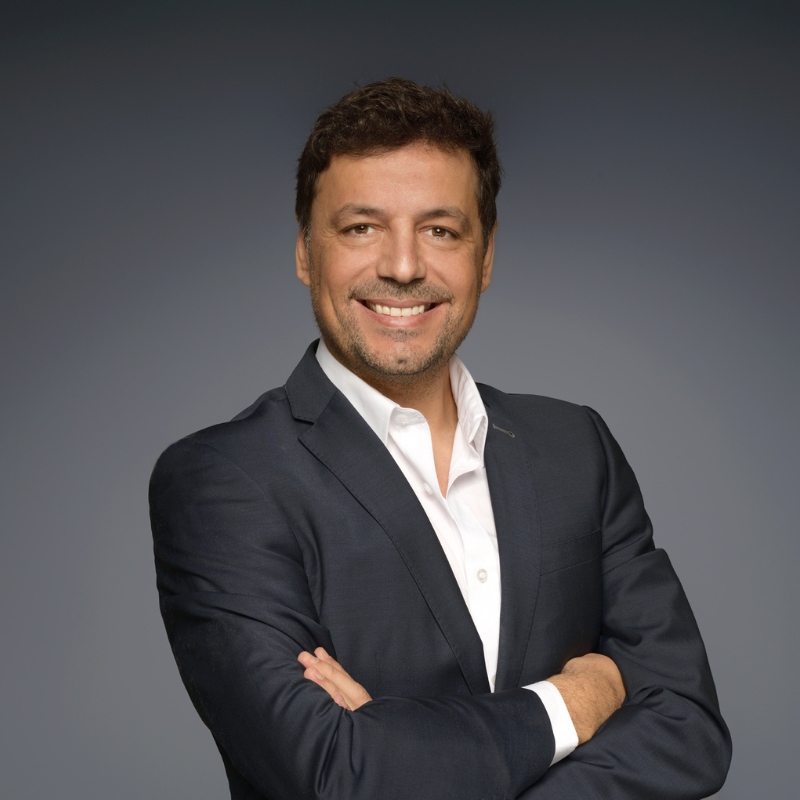
Dr. Artur Diaz Carandell
- Head Surgeon
- Certified Maxillofacial Surgeon
- Head of Training
- FUE Hair Transplant Expert
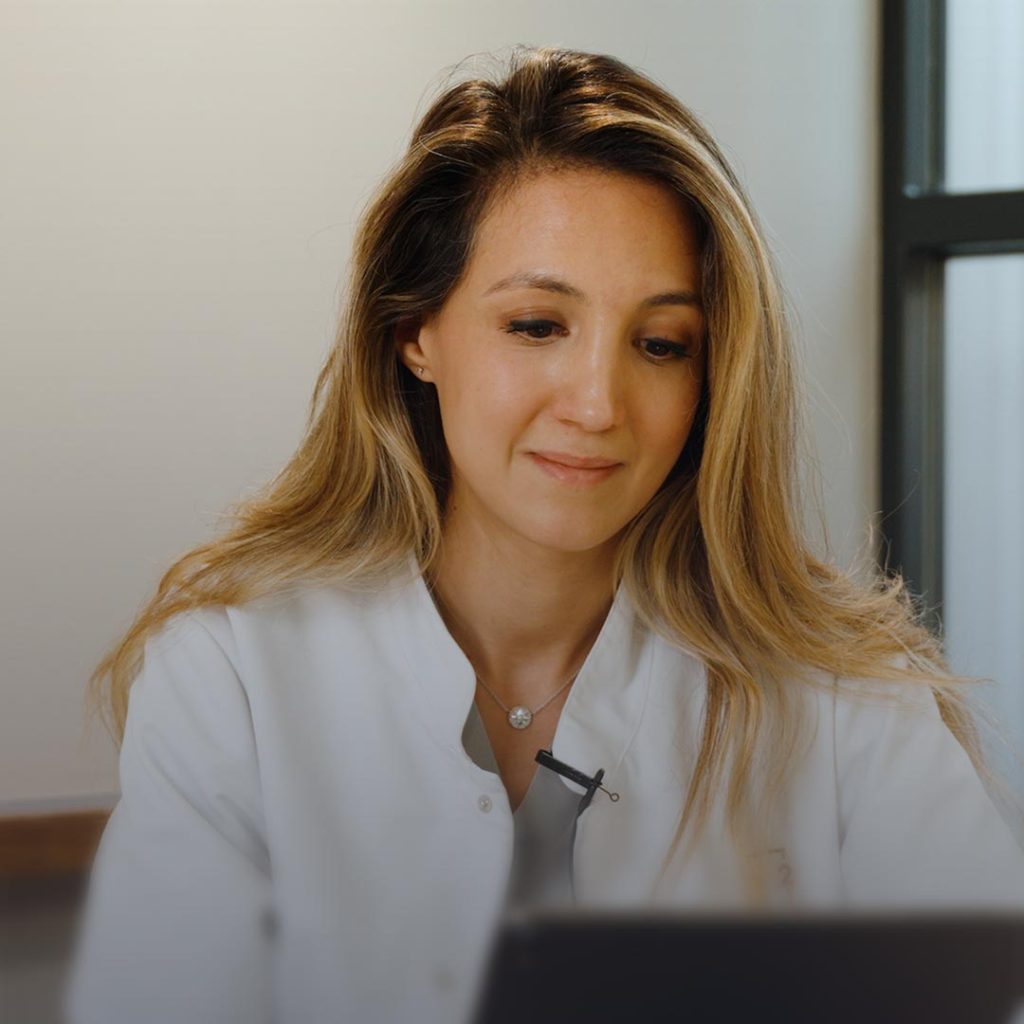
Dr. Natacha Alavi
- Senior FUE Aesthetic Physician
- Certified Technical Trainer
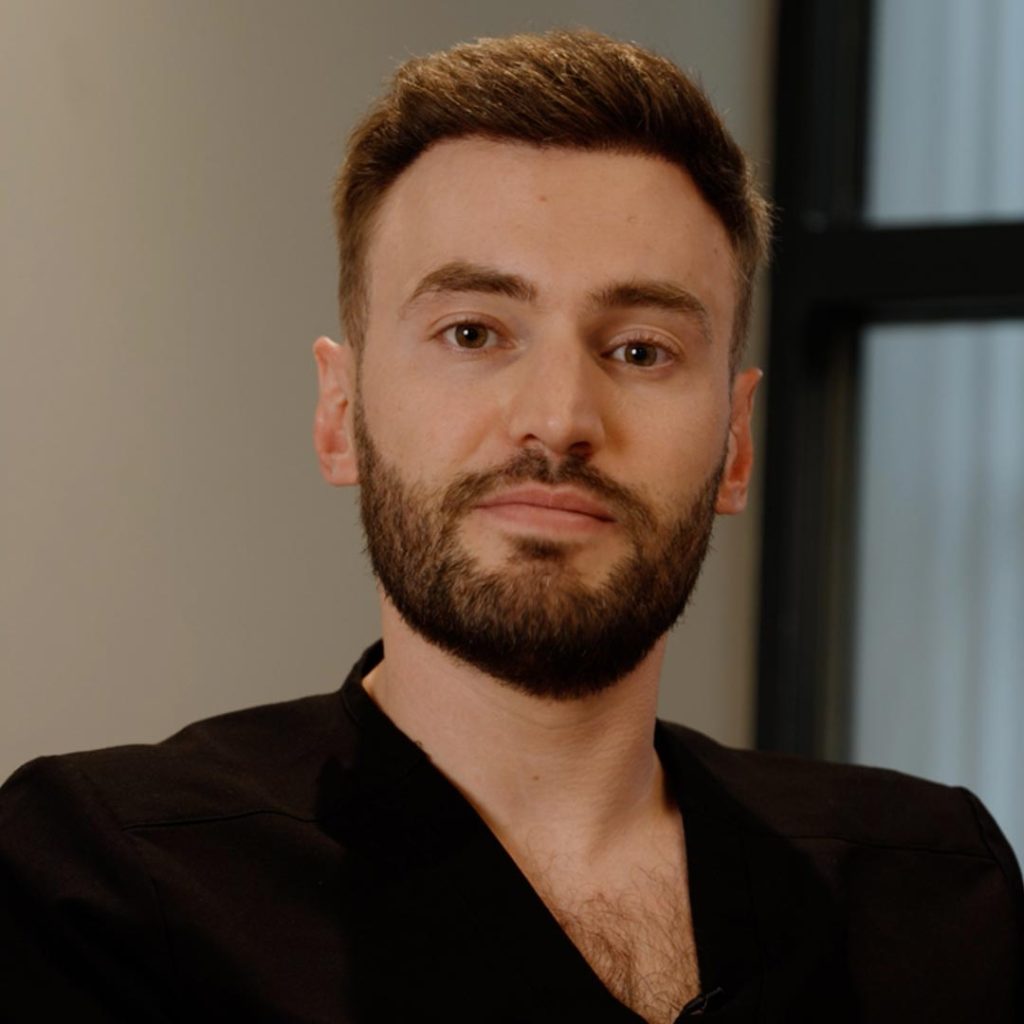
Dr. Maxime Nivard
- Senior FUE Aesthetic Physician
- Certified Technical Trainer
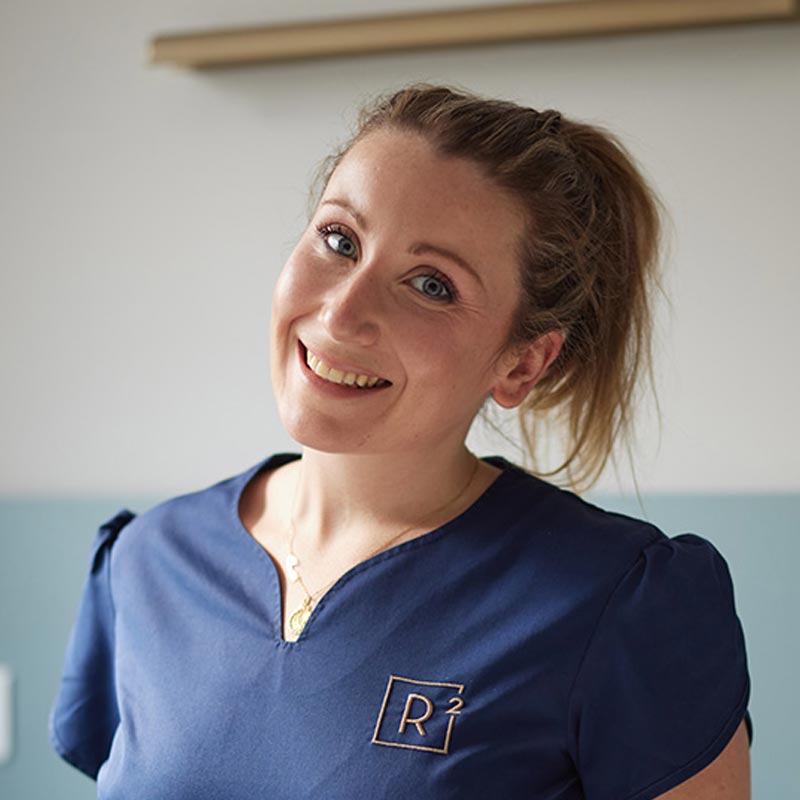
Camille B.
- State Registered Nurse
- Certified Trainer
- Team Leader
Dr. Artur Diaz Carandell
- Head Surgeon
- Certified Maxillofacial Surgeon
- Head of Training
- FUE Hair Transplant Expert
Dr. Natacha Alavi
- Senior FUE Aesthetic Physician
- Certified Technical Trainer
Dr. Maxime Nivard
- Senior FUE Aesthetic Physician
- Certified Technical Trainer
Camille B.
- State Registered Nurse
- Certified Trainer
- Team Leader
The turning point your career has been waiting for
Questions and registration
We’ll get back to you quickly!
Horaires
Monday – Friday
8:00 AM – 7:00 PM
Saturday
9:00 AM – 5:00 PM
Sunday
Closed
Address
16 Rue Anatole France
92300 Levallois-Perret
France
Métro
Ligne 3 – Louise Michel