
Physicians - Level 1
Classic FUE Training for Physicians
Five days in the operating room to learn how to indicate, plan and perform FUE surgery — with a guaranteed floor of 500 supervised extractions and 80 implantations on live patients.
+8h d'e-learning
maximum participants
grafts handled
all inclusive
Who is this training for?
For doctors registered with the medical board who wish to enter the field of hair restoration.
-
- No prior experience in hair restoration is required.
- The course covers trichoscopic assessment, patient selection, hairline design, scalp anaesthesia, extraction, recipient site creation and implantation.
- Eight hours of e-learning precede your arrival, so the week on site is devoted to operating-table time.
What's included!
Full training programme
Sessions with real patients
Consumables and materials
Signed logbook
Daily lunches
Certificate
3 post-training follow-up sessions
CLASSIC FUE TRAINING FOR DOCTORS
The programme,
day by day
Diagnosis and case design
| Time | Session | Type | Content |
|---|---|---|---|
| 08:30 | Welcome and cohort mapping | — | Experience levels, expectations, methodology. Logbook issued to each participant |
| 09:00 | Trichoscopy in practice | Hands-on | Real versus perceived density, active miniaturisation, calibre and porosity. Dermoscope interpretation on real cases |
| 10:30 | Break | Break | |
| 11:00 | Patient selection and contraindications | Theory / case | Donor reserve estimation. Absolute and relative contraindications, unstable loss, dysmorphia screening. Justifying a decision not to operate |
| 12:30 | Lunch | Lunch | |
| 13:30 | Hairline design workshop | Hands-on | Standardised photographs. Frontal zone, temples, crown whorl. Three designs per participant with individual feedback |
| 15:30 | Break | Break | |
| 16:00 | Treatment plan construction | Hands-on | Donor surface, density measurement, graft estimation, target density by zone, sapphire blade width selection |
| 17:30 | Live patient consultation | Live | Full pre-operative assessment demonstrated. Participants document independently, then compare against the instructor’s assessment |
Anaesthesia and scored simulation
| Time | Session | Type | Content |
|---|---|---|---|
| 08:30 | Anaesthesia | Theory + demo | Tumescent composition and buffering. Dual-plane infiltration. Scalp block: GON, LON, SON, STN — points and volumes. Recognising and rescuing an incomplete block |
| 10:00 | Break | Break | |
| 10:30 | Punch workshop on simulation model | Hands-on — scored | Angle, depth and RPM. Punch geometry and diameter by hair calibre. 100 model extractions per participant, transection rate scored under magnification |
| 12:30 | Lunch | Lunch | |
| 13:30 | Graft handling and the ischaemia clock | Theory + hands-on | Storage temperature and solution, maximum out-of-body time, 1/2/3/4-FU classification under microscope, systematic exclusion of transected grafts |
| 15:00 | Special extraction scenarios | Case study | Curly and afro-textured hair, grey hair, low-density donor, body hair. Real cases with documented errors |
Supervised extraction
| Time | Session | Type | Content |
|---|---|---|---|
| 07:30 | Surgical briefing | Live | Plan review, sterile technique, role allocation, operating room assignment |
| 08:15 | Supervised extraction | Live | Extraction under direct supervision with real-time correction. Minimum 150 grafts per participant |
| 13:00 | Lunch / surgical pause | Lunch | |
| 14:00 | Graft classification and quality control | Hands-on | Each participant classifies their own harvest under microscope and records their personal transection rate |
| 15:30 | Surgical debrief | Case study | Individual transection rates read out and discussed. Decisions, incidents, corrections for Day 4 |
| 16:30 | Recipient site creation: principles | Theory | Angle, direction, depth and their spatial relationship. R2 sapphire protocol: 1.3 mm frontal, 1.5 mm mid-scalp and posterior. Lateral versus sagittal slit. Density targets and the necrosis threshold |
Recipient sites and implantation
| Time | Session | Type | Content |
|---|---|---|---|
| 08:30 | Sapphire incision workshop on model | Hands-on — scored | Angle and depth measured against zone reference values. 50 scored incisions per participant |
| 10:00 | Break | Break | |
| 10:30 | Supervised extraction, second session | Live | Minimum 175 grafts per participant. The instructor intervenes less than on Day 3 |
| 12:30 | Lunch | Lunch | |
| 13:30 | Forceps implantation | Hands-on | Grip at perifollicular tissue only, never the bulb. Insertion angle in three planes. Depth control by tactile and visual cue. Popping: cause, recognition, correction |
| 15:00 | Choi implanter pen — DHI | Hands-on | Loading orientation and depth, implantation mechanics, release. Indications, limitations and cost |
| 16:00 | Break | Break | |
| 16:30 | Supervised implantation | Live | Minimum 30 grafts per participant into pre-made sites, under direct supervision |
Assessed session and complications
| Time | Session | Type | Content |
|---|---|---|---|
| 07:30 | Final briefing | Live | Increased autonomy. The instructor supervises without intervening unless necessary |
| 08:00 | Assessed surgical session | Live | Extraction and implantation. Minimum 175 extractions and 50 implantations per participant. This is the session scored against the rubric |
| 12:30 | Lunch | Lunch | |
| 13:30 | Complications | Case study | Wound infection, recipient area necrosis, folliculitis and ingrown cysts, shock loss. Aetiology, the intraoperative decision that predisposes to each, early signs, management pathway. Anonymised real cases |
| 14:30 | Post-operative protocol | Theory | First 72 hours and first wash. Shock loss counselling. Adjuvant treatments and the evidence for each. Standardised photography: five positions. Follow-up at day 7, month 1, 3, 12 |
| 15:30 | Building and leading a FUE practice | Case study | Minimum viable and full setup. Team roles, staff ratios, quality checkpoints. Pricing and case cost. Regulatory and insurance framework. The dissatisfied patient |
| 16:30 | Individual feedback and certification | — | Rubric scores returned individually. Logbook validated and signed. Certificate issued. Individual development plan agreed |
Learning objectives
Trichoscopic assessment
Quantify real and perceived density, active miniaturisation and donor reserve.
Patient selection
Identify absolute and relative contraindications, and justify a decision not to operate.
Treatment plan
Donor surface, graft estimation, target density by zone, blade width.
Hairline design
Age-appropriate, with a natural transition zone, justifying every choice.
Scalp anaesthesia
Tumescent anaesthesia, scalp block (GON, LON, SON, STN), rescuing an incomplete block.
Follicular extraction
Extract with a documented transection rate at or below threshold.
Recipient sites
Correct angle, direction and depth, within the density safety threshold.
Implantation
Forceps and Choi implanter, without bulb compression or popping.
Team leadership
Brief the team, allocate roles, and know when a reported deviation requires stopping.
Managing complications
Recognise the main complications early and start the documented management pathway.
Languages
The training is delivered in French, English or Spanish, depending on the cohort.
Group size
Maximum 15 doctors, split across 8 operating rooms at 2 per room. Every participant operates on each hands-on day.
Travel and accommodation
Not included in the fee. A list of partner hotels is provided upon registration.
Practice guarantee
If you do not reach the guaranteed graft minimum (500 extractions and 80 implantations), you are entitled to an additional supervised session, free of charge, at a later cohort.
Certificate
Your certificate is handed to you in person on the final day, with your real graft counts printed on it.
Practical information
Everything you need to know before registering for the Classic FUE training for doctors (Level 1) offered by R2 Academy.
Location
- 16 rue Anatole France, 92300 Levallois-Perret, France.
- Louise Michel station (line 3) is right nearby.
Tarifs
- 5 days
- 7500€
Our FUE hair transplant training courses
Nurses Level 1
Classic FUE Training for Nurses
5 days
2 900€
Nurses Level 2
Advanced FUE Training for Nurses
10 days
5 800€
Physicians Level 1
Classic FUE Training for Physicians
5 days
7 500€
Physicians Level 2
Advanced FUE Training for Physicians
10 days
15 000€
Nurses Level 1
Classic FUE Training for Nurses
5 days
2 900€
Nurses Level 2
Advanced FUE Training for Nurses
10 days
5 800€
Physicians Level 1
Classic FUE Training for Physicians
5 days
7 500€
Physicians Level 2
Advanced FUE Training for Physicians
10 days
15 000€
Meet our instructors
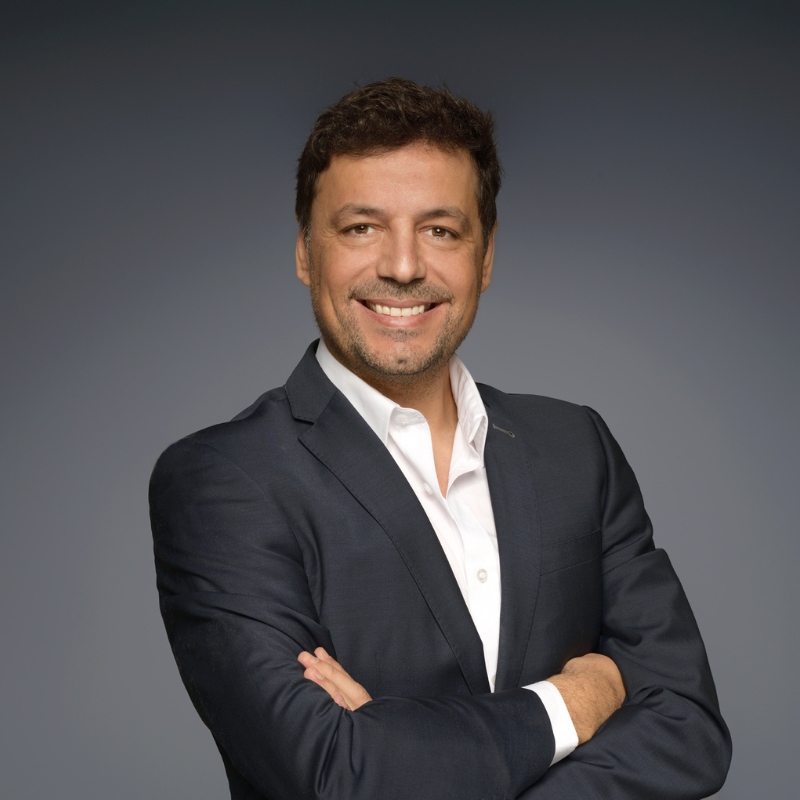
Dr. Artur Diaz Carandell
- Head Surgeon
- Certified Maxillofacial Surgeon
- Head of Training
- FUE Hair Transplant Expert
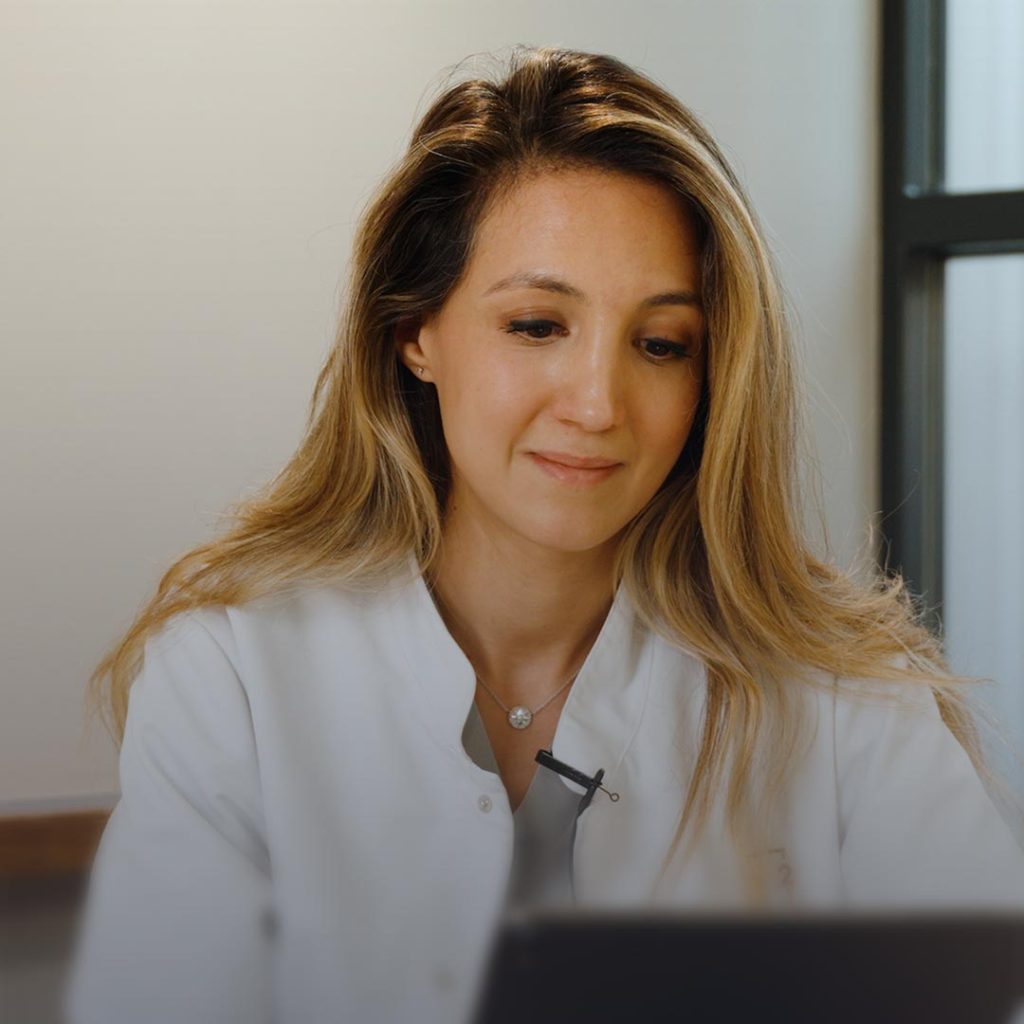
Dr. Natacha Alavi
- Senior FUE Aesthetic Physician
- Certified Technical Trainer
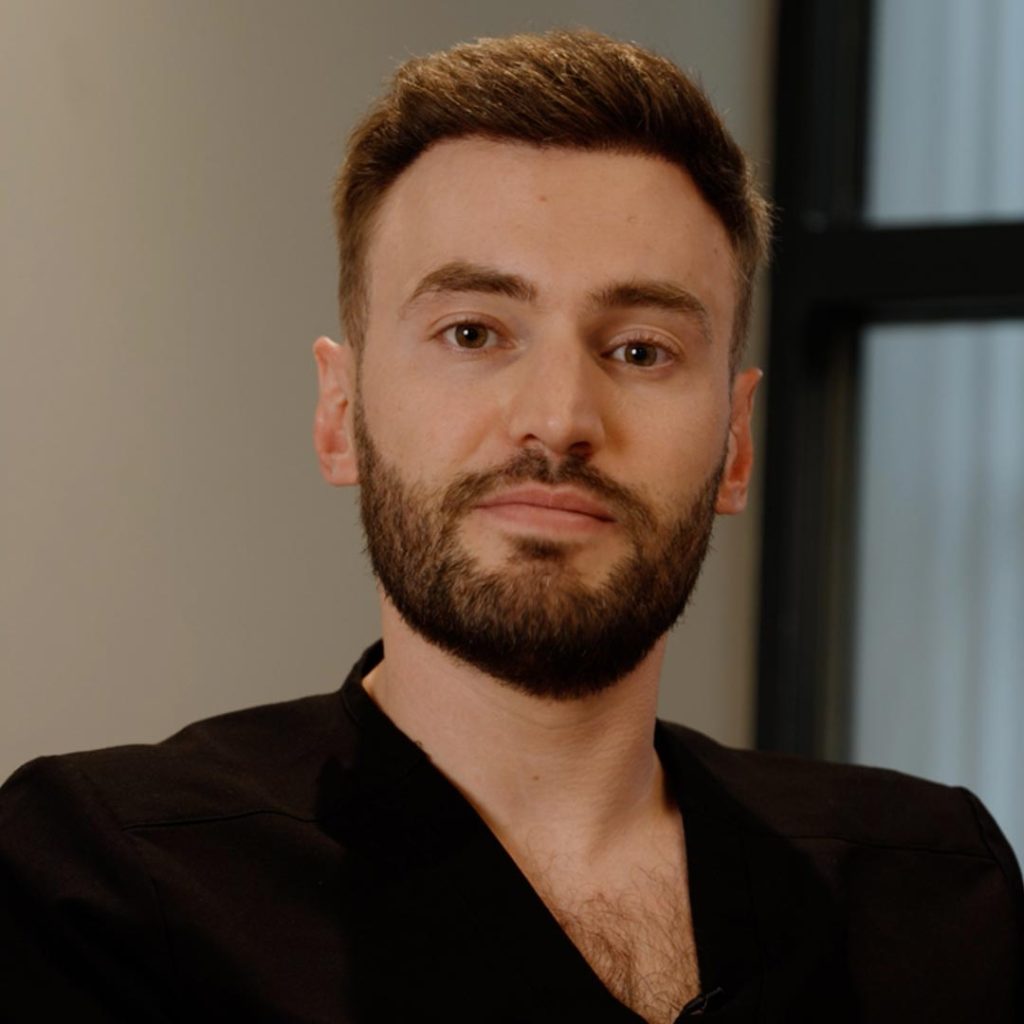
Dr. Maxime Nivard
- Senior FUE Aesthetic Physician
- Certified Technical Trainer
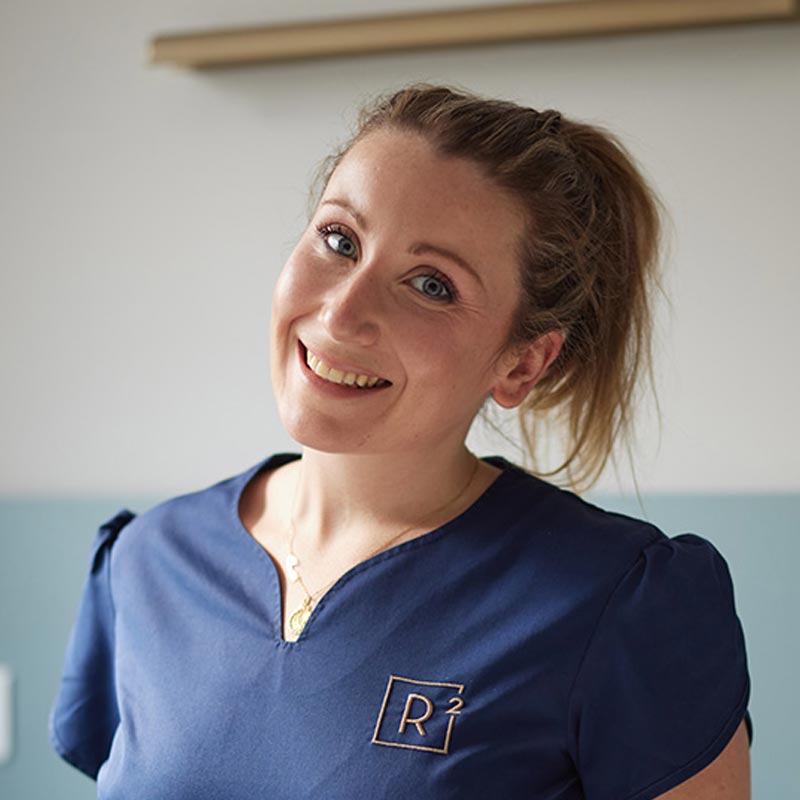
Camille B.
- State Registered Nurse
- Certified Trainer
- Team Leader
Dr. Artur Diaz Carandell
- Head Surgeon
- Certified Maxillofacial Surgeon
- Head of Training
- FUE Hair Transplant Expert
Dr. Natacha Alavi
- Senior FUE Aesthetic Physician
- Certified Technical Trainer
Dr. Maxime Nivard
- Senior FUE Aesthetic Physician
- Certified Technical Trainer
Camille B.
- State Registered Nurse
- Certified Trainer
- Team Leader
The turning point your career has been waiting for
Questions and registration
We’ll get back to you quickly!
Horaires
Monday – Friday
8:00 AM – 7:00 PM
Saturday
9:00 AM – 5:00 PM
Sunday
Closed
Address
16 Rue Anatole France
92300 Levallois-Perret
France
Métro
Ligne 3 – Louise Michel